

Hu/Dai in Chem Catal: Recent Progress and Prospects of Carbon-based Metal-free Electrocatalysts
Date : 2023-06-08
-
-
+1
-
-
-
2022-08-23 12:57 Shanghai
Original Cell Press CellPress Cell Science recorded in #CellPress Analytic 303 #ChemCatalysis 94

Physical sciences
Physical science
On 25 July 2022, Professors Hullang of Chemistry University, Beijing, and Dell Dawn of the University of New South Wales, Australia, presented an overview paper entitled “Carbon-basted Metal-free Electronicasts: Recent Progress and Forward Looking” in Chem Catallysis, the Cell Press Cell Press. The overview provides an overview and evaluation of the advantages of carbon-based, non-metal-free electrical catalysts (C-MFECs), structure, composition, design, representation, new applications, current challenges and future trends.
Overview of C-MFECs
Precious metals (Ir, Ru, Pt, Pd and Rh) Kinami materials play an important role in catalyzing multiple reactions in green energy instruments. However, low crust abundance and high prices of precious metals hinder their widespread commercialization. As a result, much research has focused on the development of efficient non-precious metals and metal-free carbon-based power catalysts (C-MFECs) to replace or reduce demand for precious metals. C-MFECs have many advantages compared to metal-based catalysts, such as high crust abundance, low price, molecular-level structural control and compatibility of various catalytic activity points. Moreover, by mixing atoms, defects and adsorption with zero to three-dimensional carbon structures, C-MFECs can be designed to trigger specific chemical reactions by targeting active positions.
Progress on C-MFECs
In 2009, Professor Day Dawn ‘ s team reported that the N-mixed carbon nanopipe (CNT) array, as the first C-MFEC, showed activity and better stability than commercial 20 per cent of Pt/C in the alkaline oxygen reduction response (ORR). Since then, a variety of carbon-based materials have been developed and used to catalyse various types of electrochemical reactions, such as functional CNTs, graphite (GO), carbon nitrogen, graphite, biomass or polymer derivative carbon, C3N4 and graphite carbon impurity (figure 1). To date, C-MFECs have been used in H2-O2 fuel cells, I3- and Co(bpy)33+ reduction in solar cells, CO2 reduction of synthetic high-value-added chemicals (CO2RR), N2 or NO3-regression (NRR) synthesis NH3/urea, hydroxide (HzOR) in direct hydroxide cells, Li/Na/Zn-oxidation of air electrodes in air cells (ORR, OER), 2e-oxyxyreactive preparation of hydrogen peroxide, as well as catalytic reactions involved in various combinations, biotransmitting and chemical reactions involved in environmental monitoring. In summary, C-MFECs demonstrate potential application value by introducing impurities/margins/defects/sorption molecules in carbon-based materials of various molar structures.
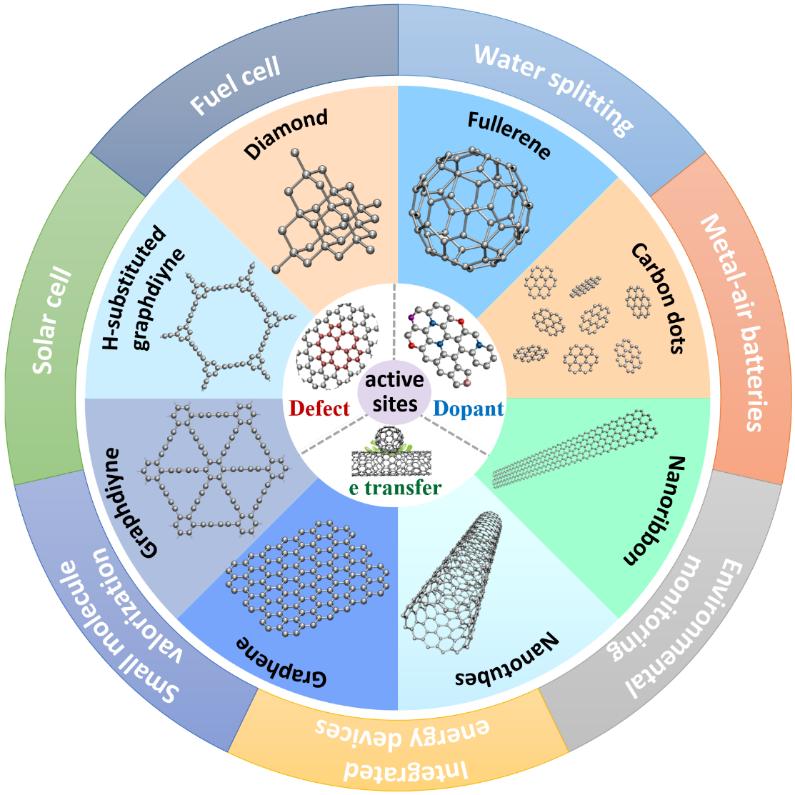
Figure 1. Summary of C-MFECs design strategies and applications
Key challenges of C-MFECs
Since there are no d-wield electronic structures, C-MFECs can circumvent the restrictions normally applied to the transition metal “scaling relationships” and offer the possibility to catalyse various types of chemical reactions in different ways. However, C-MFECs still face some of these much-needed problems: (1) C-MFECs catalytic activity still needs to be further enhanced to meet application requirements; (2) C-MFECs active sites currently reasonably and accurately designed and synthesized with specific commingling positions and structures remain challenging; (3) while a combination of density-wide theory calculations and experiments can deepen understanding of the mechanism, there is still a considerable gap between the empirical data available under theoretical modelling and technical conditions, and many reaction-catalytic details require further study; (4) at present, the majority of C-MFECs are still prepared through a trial error, and there is an urgent need to establish a reasonable design principle to ensure effective synthesis of high-activity C-MFECs. To address the above issues, research on the C-MFECs active position and electrochemical catalytic mechanisms needs to be further strengthened to provide reliable guidance on the design of future efficient C-MEFCs.
Outlook
(1) Best mixing types, mixing density and optimized carbon assembly structures are key to C-MFECs ‘ ability to achieve efficient electro-catalytic performance. Thus, in the design and research of catalysts, model catalysts are necessary to further understand the true active position of C-MFECs, in combination with advanced representational techniques (e.g., ball range calibration correction of electron microscopes, in situ X-ray electron near absorption spectrum).
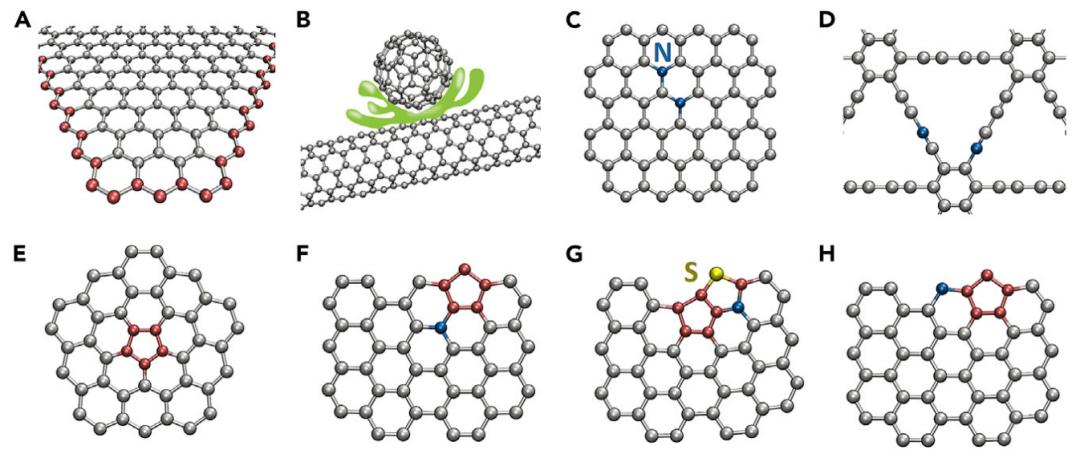
Figure 2. C-MFECs Effective Catalytic Point Design
(2) Designing new and efficient catalytic activity bits on C-MFECs, such as “C60/SWCNTs with an inter-molecular charge transfer” (figure 2A), “Bigraphic N-blended carbon structures within the Six Rings” (figure 2C), “sp-N-blended carbon activity bits” (figure 2D), “Five-E”, “Quetzilized N-connected Five-Cyclastic Distinction” (figure 2F), “N-modified S-combled Five-Cyclastic Distinction” (figure 2G) and, possibly, “ZenN-connected Five-Cyclastic Impairment” (figure 2H). These new catalytic activity sites have proved or have the potential to be more catalytic than the traditional randomly distributed atoms mixed with C-MFECs.
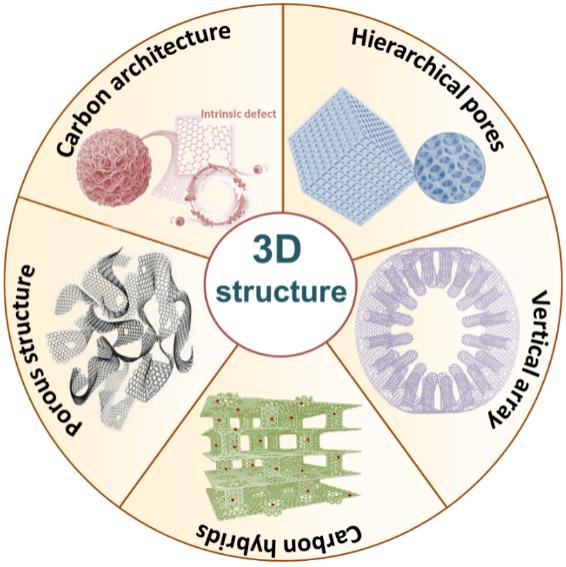
Figure 3. 3 3D structural regulation of C-MFECs
(3) In addition to precisely controlling the type of mixing and defects, the construction of rules or special three-dimensional structures ensures the high catalytic activity of C-MFECs. For example, N-blended carbon materials with a graded hole structure display a Pt/C comparable ORR activity and greater stability across the pH range. Theoretical and experimental results also demonstrate that a seamless three-dimensional carbon structure consisting of a fixed graphite-based carbon array from the upper and lower surfaces can freely transmit electrons or ions in vertical and horizontal directions, making them excellent catalytic electrodes (figure 3).
(4) The stability of C-MFECs is of great importance for the energy apparatus of practical application. However, in a catalytic response, C-MFECs’ mixed and defective slots are prone to “corrosion” at high power levels. Therefore, in the design of C-MFECs, new corrosive degradation mechanisms and methods need to be studied to assist C-MFECs electrodes to enhance their corrosive resistance and to further study the long carbon-based catalyst lifetime.
A number of cost-effective methods have been established to prepare C-MFECs with clear structures and high performance, but the research is in its infancy and more effective strategies are yet to be developed. This paper provides some suggestions and reflections for the design and development of future advanced C-MFECs.

Information on relevant papers
Published in the original paper in the journal under the banner of the CellPress Cell Press
Title of the paper:
Carbon-based metal-free electrocatalysts: Recent progress and forward looking
Paper site:
https://www.cell.com/chem-catalysis/fulltext/S2667-1093(22)00344-X
▌DOI:
https://doi.org/10.1016/j.checat.2022.07.001