
-
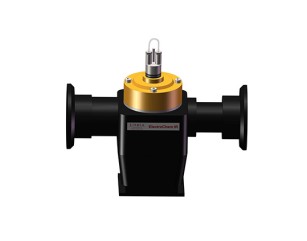
Battery In-situ IR Accessory
Figure 1: Infrared spectroscopy analysis of the electrochemical in situ infrared spectrum of lithium ion batteries is an important branch of infrared analysis technology capable of qualitative analysis of electro-catalytics (infrared) E.g. CO2 reduction) reactions, changing trends in electrode surfaces or intermediates over time during charging of batteries of various types (e.g. lithium ion, lithium sulphur, etc.) are studies
More -
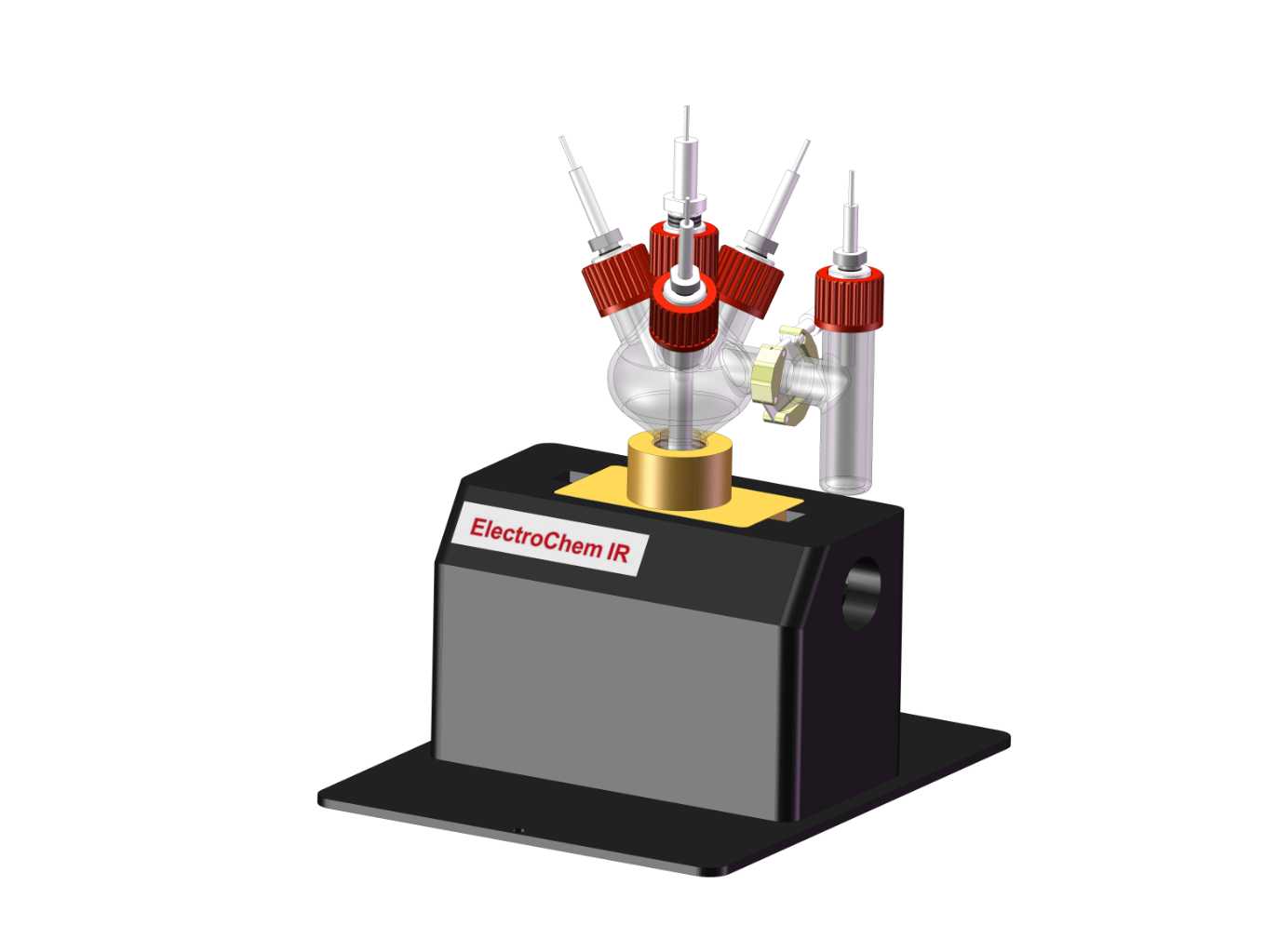
Electrocatalysis In-situ IR Accessory
Figure 1: Modular spectroscopy. Electrochemical infra-red spectroscopy analysis is an important branch of infrared analysis technology that allows for qualitative analysis of electro-catalyticization. e.g. CO2 reduction) reaction, recharge of various types of batteries (e.g. lithium ion, lithium sulphur, etc.)
More -
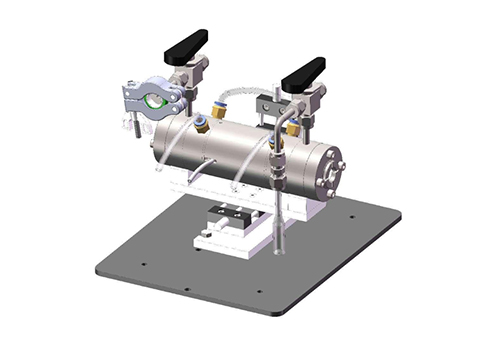
Pyridine Adsorption IR Accessory
The acid area is generally an active part of the oxygen catalyst surface, and the determination of catalyst acidity is of great importance for the study of catalytic properties of the catalyst. In the study and evaluation of catalysts, the nature and acidity of the acid centres that use in situ infrared measurements to characterize solid catalysts is one of the most effective methods of distinguishing the type of acidity of the catalyst surface, not only infrared.
More -
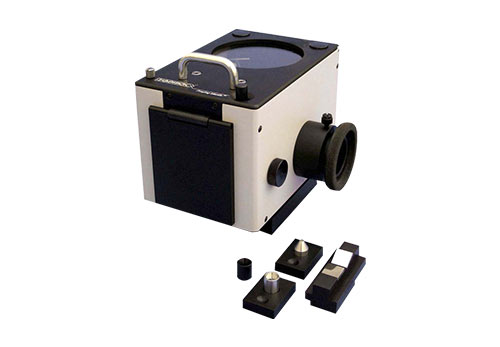
Diffuse Reflectance IR Accessory
Drifting Infrared Spectrometry (DRIFTS) is an in situ technology that captures valuable surface reaction information by means of tracking signs of adsorbing on-site reaction to catalysts, which is suitable for direct determination of solid powder samples and surface analysis of materials, is simple to process samples without pressure and does not change the original sample
More

Shanghai Haoyang Network Technology Co., Ltd.
We will provide you with a complete set of products and solutions as well as professional technical services.National hotline
13564119850